10 червня 2026 року в рамках ХХІІІ Міжнародної наукової конференції «Ольвійський форум – 2026: стратегії країн Причорноморського регіону в геополітичному просторі» у Чорноморському національному університеті імені Петра Могили (м. Миколаїв) відбувся круглий стіл «Академічна доброчесність як сукупність етичних принципів та правових норм учасників освітнього процесу». Захід проведено в межах реалізації проєкту Erasmus+ «Антикорупційні європейські стандарти як запорука формування громадянського суспільства» (EACS).
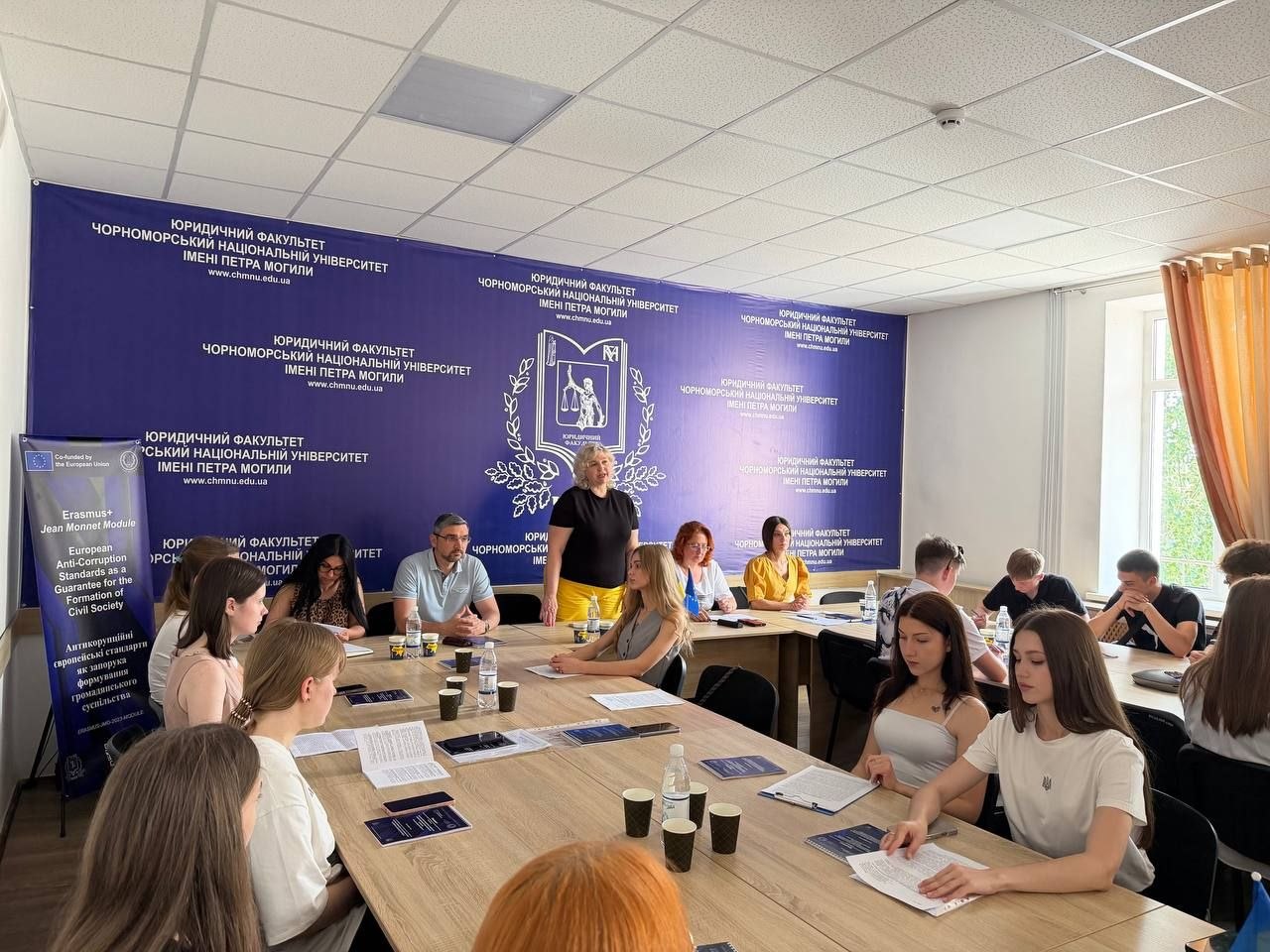
У роботі взяли участь 83 учасники, з них 45 – офлайн. Географія круглого столу охопила Миколаїв, Київ та Харків. З вітальним словом виступили: декан юридичного факультету ЧНУ імені Петра Могили, к.ю.н., доцент Січко Д.; координаторка проєкту, к.ю.н., доцент Валецька О.; запрошені гості – к.ю.н., професор, завідувачка кафедри публічного та приватного права Східноукраїнського національного університету ім. В. Даля Котова Л.; керівниця відділення Національної служби посередництва і примирення в Миколаївській області Жуковська Н.; заступниця директора Південного міжрегіонального центру з надання безоплатної правничої допомоги Іпатенко О. Модератором заходу була к.ю.н., доцент Ткаля О., членкиня проєктної команди.
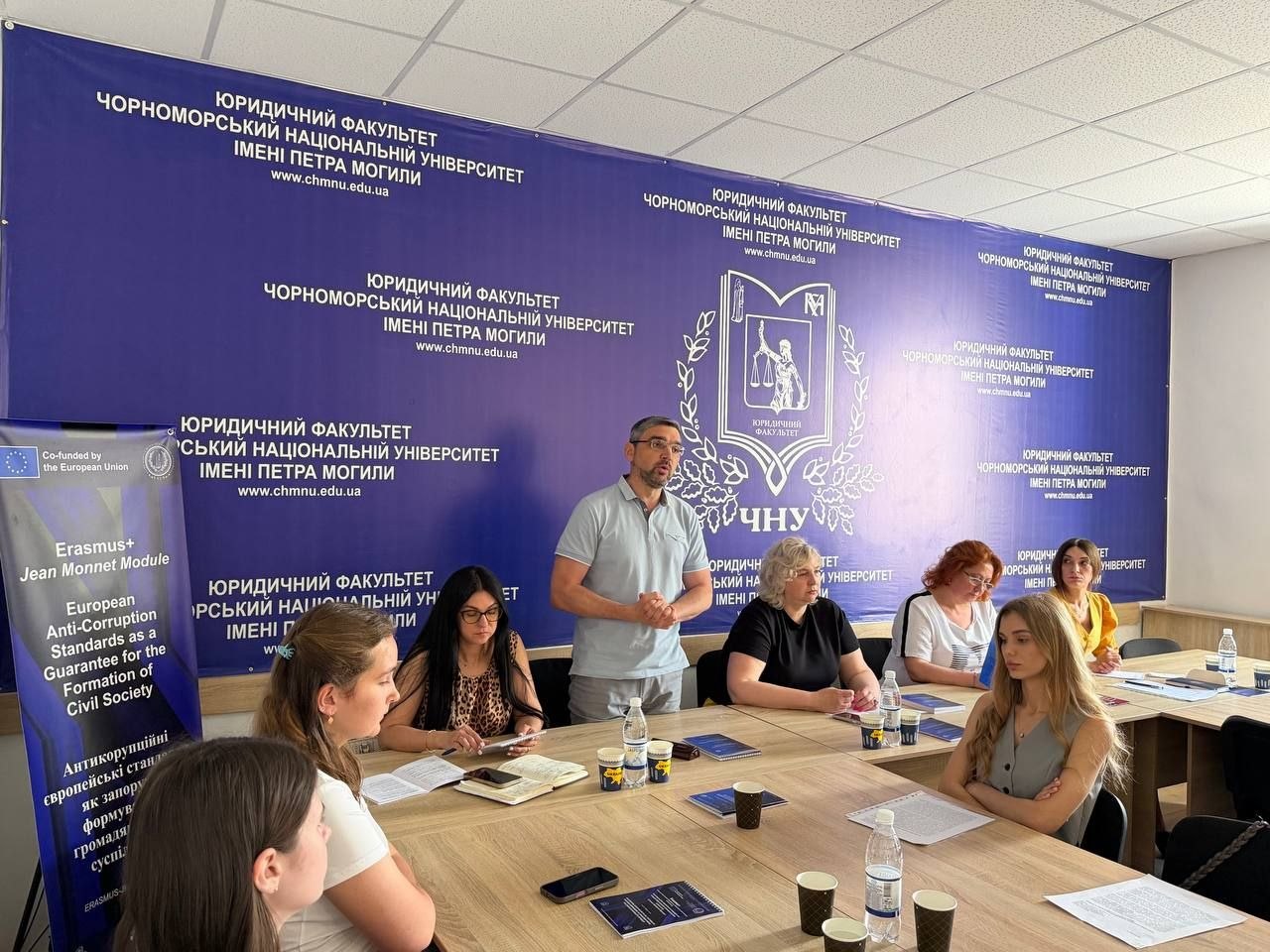
Метою круглого столу стало формування свідомої української молоді з розумінням європейських цінностей, зокрема антикорупційних стандартів; сприйняття та застосування критеріїв академічної доброчесності; усвідомлення персональної відповідальності та негативного ставлення до корупції; оволодіння знаннями про механізми запобігання корупції в усіх сферах суспільного життя. Захід проходив у змішаному форматі – онлайн у Zoom та офлайн в аудиторії, що забезпечило можливість участі всіх охочих.
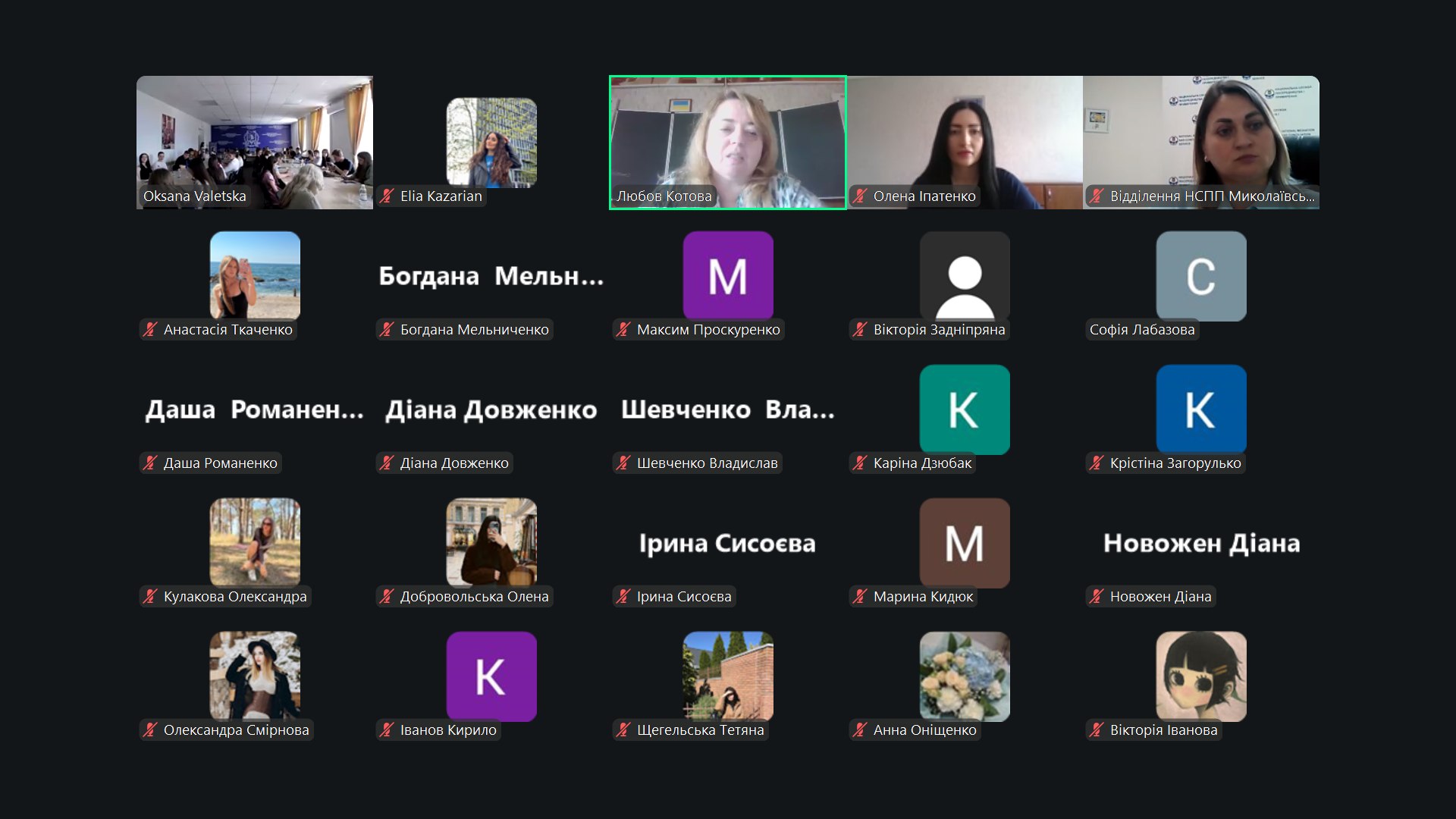
Протягом понад трьох годин тривали дискусії та активна робота. Було заслухано 20 доповідей і проведено обговорення виступів. На пленарному засіданні представлено доповіді: к.ю.н., професора кафедри публічного та приватного права СНУ ім. В. Даля Татаренко Г. – про гендерно зумовлені форми корупції як проблему прав людини; доктора філософії у галузі права, керівника ГО «Захист від корупційних проявів» Кур’яна В. – про діалектичні ознаки диференціації корупційних проявів у публічно-приватних правовідносинах.
Спікери ділилися досвідом впровадження та дотримання критеріїв академічної доброчесності в університетах України, Франції, Азербайджану, Канади, Німеччини, а також досвідом університету Carnegie Mellon. Обговорювалися особливості нормативного закріплення принципів академічної доброчесності, санкції за їх недотримання та можливість імплементації таких норм у вітчизняне законодавство. Жваву дискусію викликав аналіз Закону України «Про академічну доброчесність» 2025 року та механізми реалізації його положень.
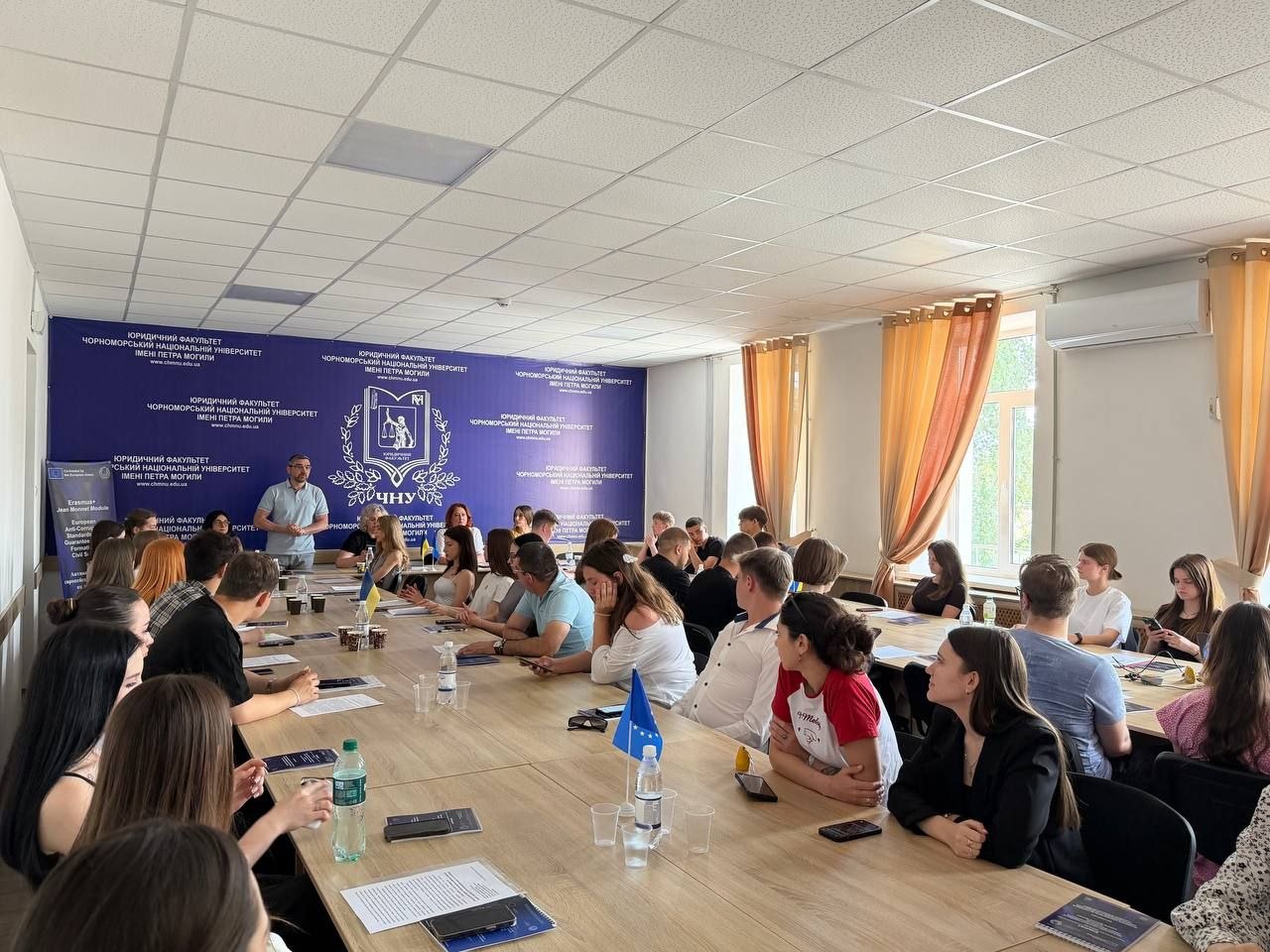
Темами обговорення стали: академічна доброчесність як складова права на освіту в європейському правовому просторі; соціальні та психологічні причини академічної недоброчесності; консультаційні послуги при написанні наукових робіт; виклики штучного інтелекту; психологічні чинники порушення академічної доброчесності.
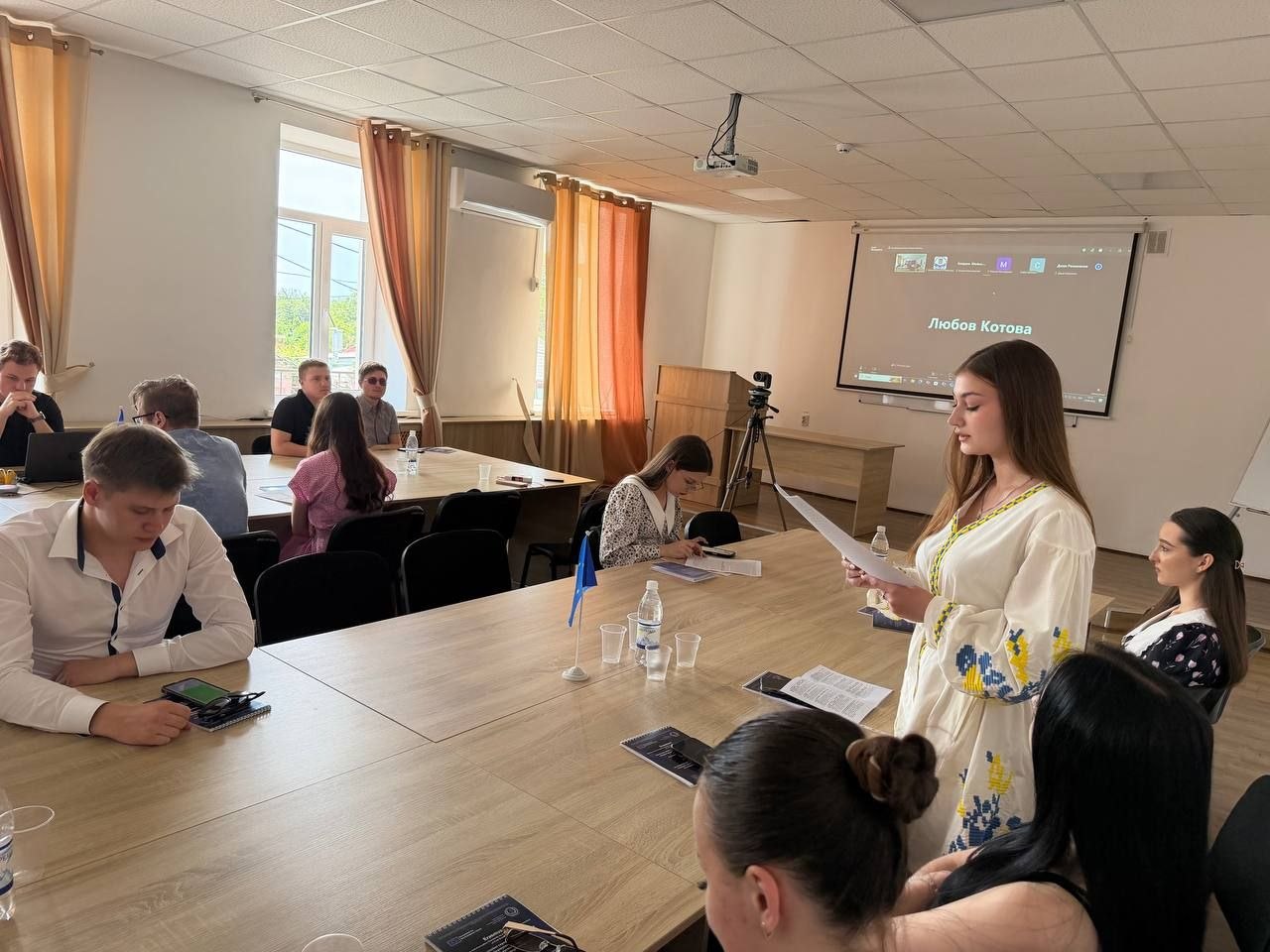
У підсумку учасники запропонували використати досвід Німеччини щодо впровадження «інституту репутаційної відповідальності»; посилити адміністративну відповідальність надавачів та отримувачів послуг із написання наукових робіт; залучати громадські організації (з урахуванням ризиків) до захисту при журналістських розслідуваннях. Також акцентовано на необхідності посилення діалогу органів місцевої влади з громадою щодо прозорості місцевих бюджетів; створення Ради академічної доброчесності; відповідального застосування штучного інтелекту в освітньому процесі; мотивації студентів до самостійного виконання завдань через обговорення майбутніх професійних компетентностей та кар’єрного зростання.
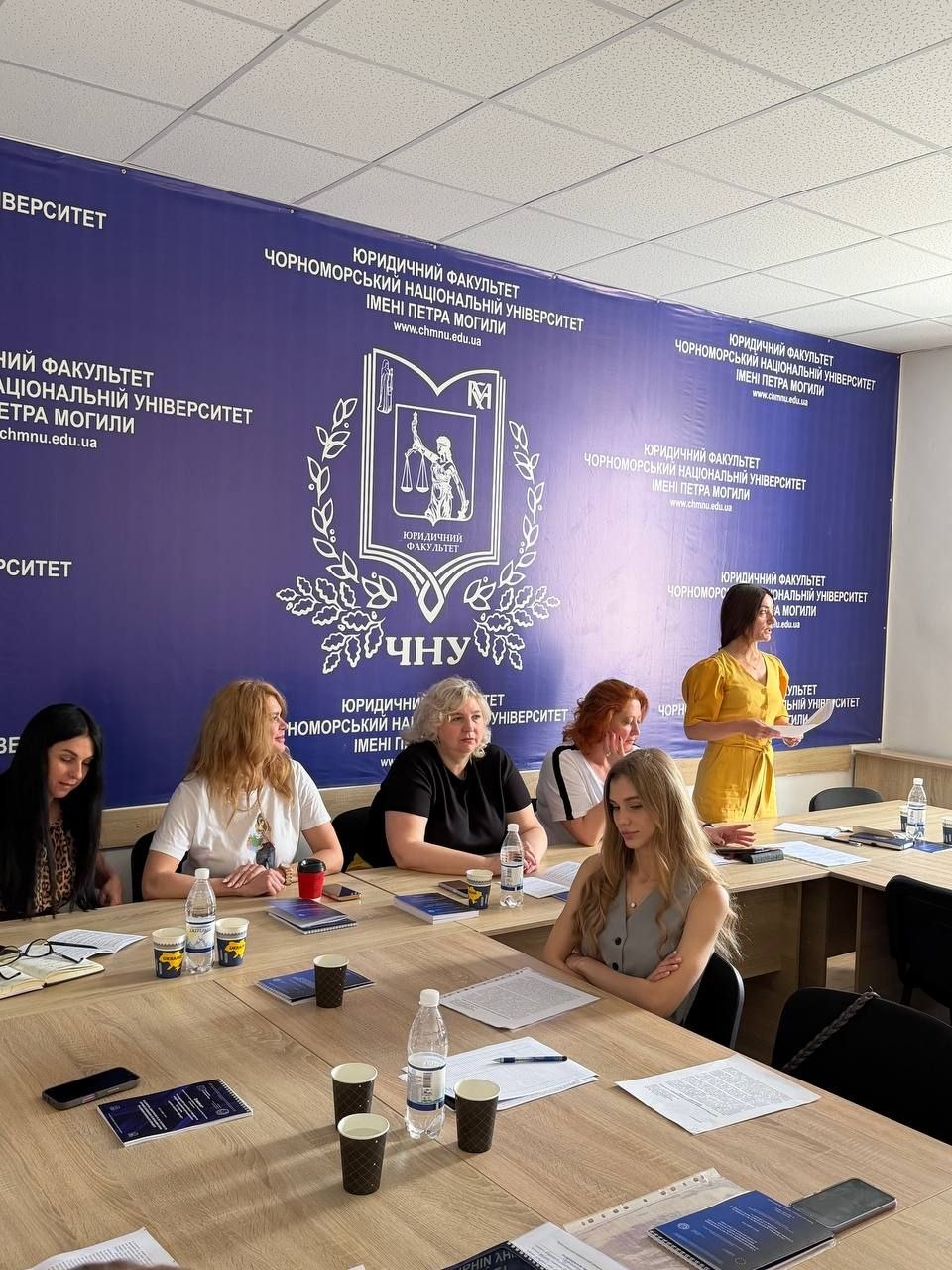
On 10 June 2026, as part of the 13th International Scientific Conference ‘Olbia Forum – 2026: Strategies of the Black Sea Region Countries in the Geopolitical Arena’, a round table entitled ‘Academic integrity as a set of ethical principles and legal norms for participants in the educational process’ was held at the Petro Mohyla Black Sea National University in Mykolaiv. The round table was part of the Erasmus+ project ‘European Anti-Corruption Standards as a Guarantee for the Formation of Civil Society’ (EACS).
A total of 83 participants took part in the event, with 45 attending in person. The round table was held in Mykolaiv, Kyiv and Kharkiv. Opening remarks were delivered by the Dean of the Faculty of Law at Petro Mohyla Black Sea National University, D.S. Sichko, PhD in Law, Associate Professor, and the project coordinator, O.V. Valetska, PhD in Law, and invited guests: L.V. Kotova, PhD in Law, Professor and Head of the Department of Public and Private Law at V. Dahl East Ukrainian National University, Kyiv; N.I. Zhukovska, Head of the Mykolaiv Regional Branch of the National Service for Mediation and Reconciliation, Mykolaiv, Deputy Director of the Southern Interregional Centre for the Provision of Free Legal Aid O. Ipatienko. The event was moderated by O.V. Tkalia, PhD in Law, Associate Professor and member of the project team. The aim of the round table was to foster a conscious Ukrainian youth with an understanding of European values, in particular anti-corruption standards; the acceptance and application of academic integrity criteria; an awareness of personal responsibility and a negative attitude towards corruption; and the acquisition of knowledge about mechanisms for preventing corruption in all spheres of public life. The round table was held in a hybrid format – online via Zoom and in-person in the lecture theatre – to enable all participants to join.
Interesting discussions and active engagement lasted for over three hours; 20 presentations were delivered, followed by discussions of the speeches. At the plenary session, extremely interesting presentations were delivered by G.V. Tatarenko, PhD in Law, Professor at the Department of Public and Private Law, V. Dahl East Ukrainian National University, on gender-based forms of corruption as a human rights issue: international standards and challenges for Ukraine, as well as by V.V. Kurian, PhD in Law and Head of the NGO ‘Protection against Corruption’, on the dialectical features of differentiating the signs of corruption in public-private legal relations.
The speakers shared insights into the legislative framework and experiences regarding the implementation and adherence to academic integrity criteria at our university, as well as at other higher education institutions in Ukraine, France, Azerbaijan, Canada, Germany, and the experience of Carnegie Mellon University. The discussion centred on the specifics of the legal enshrinement of the principles of academic integrity, the severe sanctions for non-compliance, and the possibility of implementing such standards into domestic legislation. A heated debate arose regarding the analysis of the 2025 Law of Ukraine ‘On Academic Integrity’ and the mechanism for implementing its provisions. The topics of discussion included: academic integrity as a component of the right to education within the European legal framework; the social and psychological causes of academic misconduct; consultancy services for academic writing through the lens of integrity; artificial intelligence as a challenge to academic integrity; and the psychological factors underlying breaches of academic integrity.
Following the roundtable, participants proposed exploring the possibility of drawing on Germany’s experience in implementing the ‘institute of reputational responsibility’; strengthening the administrative liability of providers and recipients of academic writing services; and actively involving civil society organisations (taking risks into account) to provide protection during journalistic investigations. Participants emphasised the need to strengthen dialogue between local authorities and the community to ensure the transparency, accessibility and openness of local budgets; where possible, establish an Academic Integrity Council; apply AI responsibly and sparingly in the educational sphere (generating individual assignments for students and test options), as well as strengthen students’ motivation to complete tasks independently through active discussion of future professional competencies and career opportunities.